
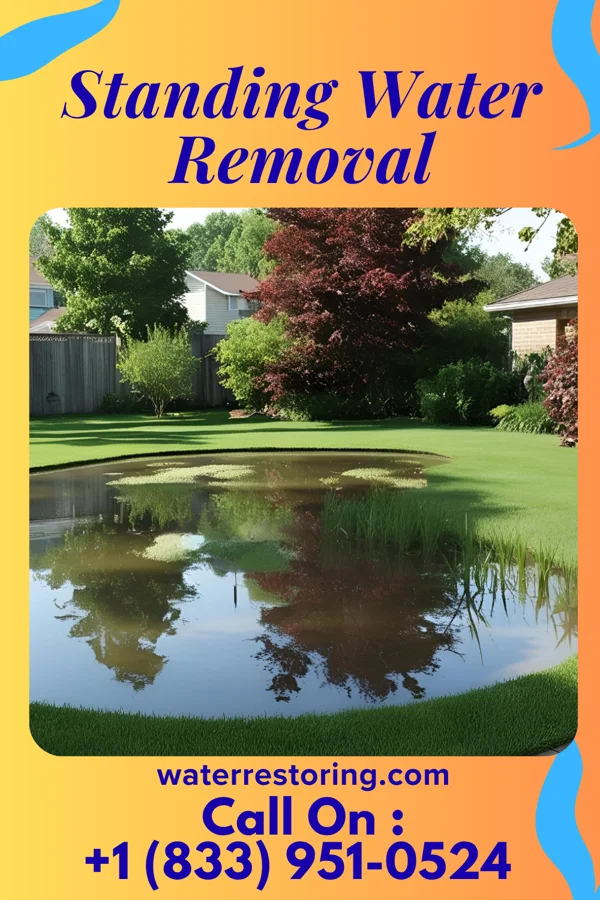
Ground-Water Standing Water in Horseshoe Beach
Water damage in Horseshoe Beach tends to cluster in predictable windows because of the local climate. Horseshoe Beach is prone to water damage due to its coastal location and frequent heavy rainfall, especially during the hurricane season. Flooding from storm surges and rising sea levels can quickly inundate homes and businesses, particularly those near Manatee Road and Steinhatchee. This area's low elevation and proximity to water bodies make it highly vulnerable to sudden water intrusion. A close second is In addition to storm-related flooding, Horseshoe Beach experiences water damage from leaking septic tanks, broken water lines, and drainage issues exacerbated by the area's flat terrain. Poorly maintained infrastructure and outdated drainage systems contribute to prolonged water accumulation, especially after heavy rains..
The coastal climate of Horseshoe Beach, with its high humidity and frequent tropical storms, creates an environment where water damage can occur rapidly and persistently. The combination of saltwater intrusion and high moisture levels increases the risk of mold growth and long-term structural damage.
The coastal climate of Horseshoe Beach, with its high humidity and frequent tropical storms, creates an environment where water damage can occur rapidly and persistently. The combination of saltwater intrusion and high moisture levels increases the risk of mold growth and long-term structural damage. The dominant local driver is Horseshoe Beach is prone to water damage due to its coastal location and frequent heavy rainfall, especially during the hurricane season. Flooding from storm surges and rising sea levels can quickly inundate homes and businesses, particularly those near Manatee Road and Steinhatchee. This area's low elevation and proximity to water bodies make it highly vulnerable to sudden water intrusion., with In addition to storm-related flooding, Horseshoe Beach experiences water damage from leaking septic tanks, broken water lines, and drainage issues exacerbated by the area's flat terrain. Poorly maintained infrastructure and outdated drainage systems contribute to prolonged water accumulation, especially after heavy rains. showing up as the next most common cause. Damage builds in stages. Spread. Absorption. Microbial growth. Structural compromise. Every stage you pass through adds to the final bill.